
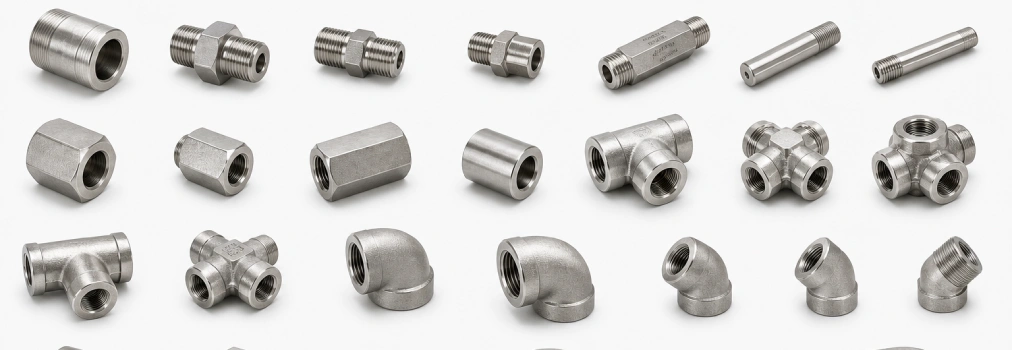
In industrial systems, valves are essential parts of the system that, together with other components, regulate the flow of liquids, gases, steam and other process media. Choosing the appropriate valve for any system, whether operating in an oil and gas plant, chemical plant, power generation plant, or manufacturing environment, can have a significant effect on the performance, safety and efficiency of the system. There are a variety of types and specifications of valves that are available, so businesses need to consider the type they need before making a selection.
At Wesmec Engineering we recognise that all industrial processes are different. We have a wide selection of Industrial Valves that are engineered to be reliable, accurate and durable in different operating environments. This guide will point out the most important criteria to consider when choosing valves for industrial applications.
Understand the Application Requirements
The first step towards selecting a valve is to determine what the application requires. There are multiple industries and processes that demand some varying flow control options. Valves are selected based on a variety of factors: operating pressure, temperature, flow rate, media being handled, etc.
For example, a pharmaceutical manufacturing plant may require highly controlled flows, while a power plant may require high tensions to be withstood. Study of these needs can help you to ensure the selected Industrial Valves are working efficiently and reliably in the desired working conditions.
Select the Right Type of Valve
Sizing is one of the key factors to take into account: the type of valve design. Valves of various types are used for various purposes in the Fluid Control Systems.
Needle Valves
Needle Valves are commonly used for precise flow control. Their special design includes a tapered stem with a needle-like shape, enabling the operators to make very small adjustments to the flow rates. They are suitable for the instrumentation system, pressure gauge and gas distribution.
Needle Valves are used in industries whenever accuracy and stability is quite important. These devices are found in a variety of applications such as laboratories, hydraulic systems, process control, etc., where even minor flow changes may impact performance.
Globe Valves
Globe Valves are primarily used for throttle and control. They have an internal structure that ensures smooth and effective fluid movement, making them an ideal choice for applications where frequent changes in fluid flow are required.
Globe Valves are commonly used in steam systems, cooling water circuits, chemical processing plants and energy generation facilities. They are also critical to many industrial processes for their ability to deliver reliable flow control.
Instrumentation Valves
In today’s industrial processes, precision is a must and Instrumentation Valves are especially designed to fill this requirement. These valves are used to isolate, control and monitor pressure and flow in critical systems.
Whether at oil and gas facilities, or power generation plants, Instrumentation Valves help ensure process integrity and enhanced operational safety. They are very reliable and cannot be replaced in high-tech industrial use.
Consider the Characteristics of the Media
The shape of the fluid or gas flowing through the valve will have a big impact on the performance and longevity of the valve. Properties of media vary by media including viscosity, corrosiveness, abrasiveness, and temperature sensitivity.
For instance, if corrosive chemicals are used, valves made of stainless steel or special alloy would be necessary to prevent degradation of the material. Likewise, an abrasive fluid could require special parts within the machine that are harder to withstand abrasion. By awareness of the characteristics of media, an Industrial Valve can always be maintained in durability and efficiency.
Evaluate Pressure and Temperature Conditions
Industrial systems will frequently be subjected to difficult conditions. It is therefore crucial to select valves that are capable of withstanding the maximum operating pressure and temperature for the application.
Some considerations are:
- Normal operating pressure
- Peak pressure levels
- Temperature fluctuations
- Continuous operating temperatures
Choosing the right valve pressure/temperature ratings reduces equipment failures and increases system safety. Wesmec Engineering’s valve solutions are engineered for reliability, even in harsh industrial applications.
Material Selection Matters
The component materials actually affect the durability, corrosion resistance and maintenance needs of the valves. Stainless steel, carbon steel, brass and special alloys are common materials used for valves.
The appropriate material must be suitable for the process media and environment. With harsh chemicals or extreme temperatures in industries, it is essential to choose the right material to achieve long-term performance.
Over the long term, the quality instrumentation valves, made from high-quality materials, can offer greater reliability and lower maintenance costs.
Focus on Flow Control Requirements
Flow control capacity is different for different processes. Others require a complete shut-off and some need to be throttled and regulated precisely.
Needle Valves provide superb control and accuracy in systems that require fine adjustment. If a larger volume and constant regulation is required, Globe Valves can be relied upon. Applying the knowledge of flow requirements enables efficient and stable operation of Fluid Control Systems.
A good flow management also helps to achieve energy efficiency and better process results, making the selection of the valves a strategic decision in the operation.
Maintenance and Accessibility
The overall cost of a valve includes significant maintenance costs. Choosing valves that are easily accessible for inspection, servicing and repair will help minimize downtime and maintenance costs.
When reviewing the choices of valves:
- Ease of installation
- Accessibility for maintenance
- Availability of spare parts
- Service intervals
For reliable industrial valves, ensure they have strong designs that need minimal maintenance and have a long lifespan. This makes them an affordable option for companies that want to maximize their returns.
Compliance and Quality Standards
Safety and quality requirements are very rigorous in industrial facilities. Valves must be compliant at both the industry standard level of certification and specification to operate safely and consistently.
Compliant to ISO, ASME, API, and ASTM certify the valve as having been produced and tested in accordance with the set industry standards. This is especially relevant for critical Industrial Applications where safety and reliability are paramount.
Why Choose Wesmec Engineering?
Choosing a reputable valve manufacturer is as critical as the choice of the valve. Wesmec Engineering has a wide range of Instrumentation Valves, Needle Valves, Globe Valves and other specialty valve solutions to serve today’s industry requirements.
Our products are designed to be durable, accurate and performing, providing businesses with the ability to maximize their Fluid Control Systems while in operation. A dedication to quality and innovation, Wesmec Engineering is still meeting a variety of Industrial Applications in a number of sectors.
Conclusion
The selection of a proper valve is an application- and condition-dependent process that takes into account material compatibility, maintenance requirements, flow control considerations, and application requirements. The choice of the right valve – whether it is a Needle Valve, Globe Valve or Instrumentation Valve – is key to reliable performance, depending on the precision, regulation and accuracy your process requires.
Overall, investing in high-quality Industrial Valves from Wesmec Engineering can lead to significant benefits for industries in terms of efficiency, safety, and long-term success in their Fluid Control Systems across various Industrial Applications.