
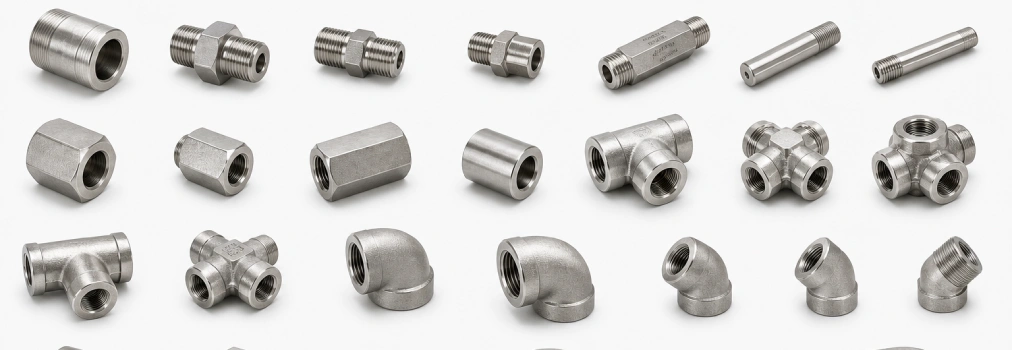
Pipe systems are critical in ensuring that liquids and gases are transported without hitches within various industries. The applications of pipe systems range from chemical industries to oil refineries. One of the most critical elements of these pipe systems is Pipe Fittings.
These fittings assist in joining the pipes, regulating the flow, altering the flow direction and sustaining the pressure within the system. Selection of appropriate fittings will enhance safety, minimise leakage and the overall durability of the entire piping network. Wesmec Engineering has developed high-quality solutions that can be used to meet the modern industrial needs and perform long-term.
What Are Pipe Fittings?
Pipe Fittings are parts that are employed to connect sections of the pipes and tubes in a piping system. They assist in changing flow direction, connecting pipe sizes and allowing easy fluid movement within the industrial systems.
The importance of Reliable Industrial Pipe Fittings is that even slight leakages or poor connections can influence the efficiency and safety of operations. Correctly chosen fittings contribute to the enhancement of the system reliability and minimization of the maintenance costs.
Importance of Industrial Pipe Fittings
Industrial Pipe Fittings have the main role of ensuring the security and leak free connections of the pipes. These fittings are designed to withstand pressure, changes in temperature, and other severe working conditions in industry.
- Some major benefits include:
- Improved operational efficiency
- Reduced leakage risks
- Better pressure handling
- Easy maintenance
- Long-lasting performance
Other industries like oil and gas, power generation, pharmaceuticals, food processing, and chemical manufacturing largely rely on durable piping systems.
Common Types of Pipe Fittings
The various industrial systems may need different types of Pipe Fittings based on the use and piping design.
Instrument Pipe Fittings
Instrumentation Pipe Fittings are designed specifically to be used in systems where the accurate control of pressure, temperature, and flow is required. These fittings are common in oil and gas plants, power plants and pharmaceutical industries.
The main advantage of Instrumentation Pipe Fittings is their ability to provide secure and leak-proof connections in sensitive industrial systems.
Socket Welded Forged Fittings.
Socket welded forged fittings are widely used for high-pressure purposes. Such fittings provide robust joints through the insertion of pipes into a socket prior to welding.
These fittings have been chosen due to the following:
- High strength
- Excellent pressure resistance
- Leak-proof performance
- Long service life
Threaded Fittings
Threaded Pipe Fittings have been generally used in industrial piping systems due to the ease of installing and removing them without the need to weld them.
Threading Pipe Fittings are preferred by industries since they offer:
- Quick installation
- Easy maintenance
- Reduced downtime
- Cost-effective connections
The fittings are typically used in compressed air lines, water lines, and moderate-pressure usage.
Nipples
Nipples are short threaded pipe sections that are used to connect two fittings or pipes. They come in various sizes and materials depending on the need in the industry.
Nipples made of Stainless Steel Pipe Fittings material due to their resistance to corrosion and durability are popular in many industries.
Why Stainless Steel Pipe Fittings Are Preferred
Stainless Steel Pipe Fittings are the most preferred due to the length of life and corrosion resistance among other materials.
Corrosion Resistance
The biggest advantage of Stainless Steel Pipe Fittings is that it can resist rust, chemicals, and moisture and can be used in harsh industrial conditions.
High Strength
These fittings have the ability to withstand the high pressure and extreme temperatures without compromising any performance.
Long Service Life
Due to the high durability of stainless steel, these fittings will need less maintenance and will have a high level of durability.
Owing to these benefits, Stainless Steel Pipe Fittings are prevalent in businesses that require robust and dependable piping systems.
Benefits of Instrumentation Pipe Fittings
Precision and safety are very crucial in the operation of industrial control systems. Instrumentation Pipe Fittings assist in maintaining precise flow and pressure controls in addition to providing leak-proof liquid/gas transmission.
These fittings are commonly used in:
- Oil and gas industries
- Chemical plants
- Power generation facilities
- Pharmaceutical manufacturing
High-quality instrumentation fittings improve operational efficiency and system safety.
Choosing the Right Pipe Fittings
Selecting suitable Pipe Fittings depends on several factors:
- Material compatibility
- Pressure and temperature ratings
- Connection type
- Corrosion resistance
- Precision requirements
For tough industrial applications, stainless steel pipe fittings are usually the best option due to their superior performance and longevity.
Why Choose Wesmec Engineering?
Wesmec Engineering supplies top-quality piping solutions that are suitable for modern industrial uses. They concentrate on reliability, precise engineering, and dependability.
Industries trust Wesmec Engineering because of:
- Durable industrial products
- Corrosion-resistant materials
- Precision-engineered solutions
- Reliable piping performance
With a strong commitment to quality, Wesmec Engineering continues to support industries with dependable piping solutions.
Conclusion
Every industrial piping system requires pipe fittings. Whether it is instrumentation pipe fittings, threaded pipe fittings, socket welded pipe fittings, or nipples, each fitting is critical in ensuring efficiency and safety in the process.
Industrial Pipe Fittings, Instrumentation Pipe Fittings, Threaded Pipe Fittings, and Stainless Steel Pipe Fittings are some of the increasingly important products for reliable piping systems. With a focus on delivering high-performance products, Wesmec Engineering has been successfully meeting industrial demands.